
An Officers Use Of Flock Cameras Was Unconstitutional, Judge Rules
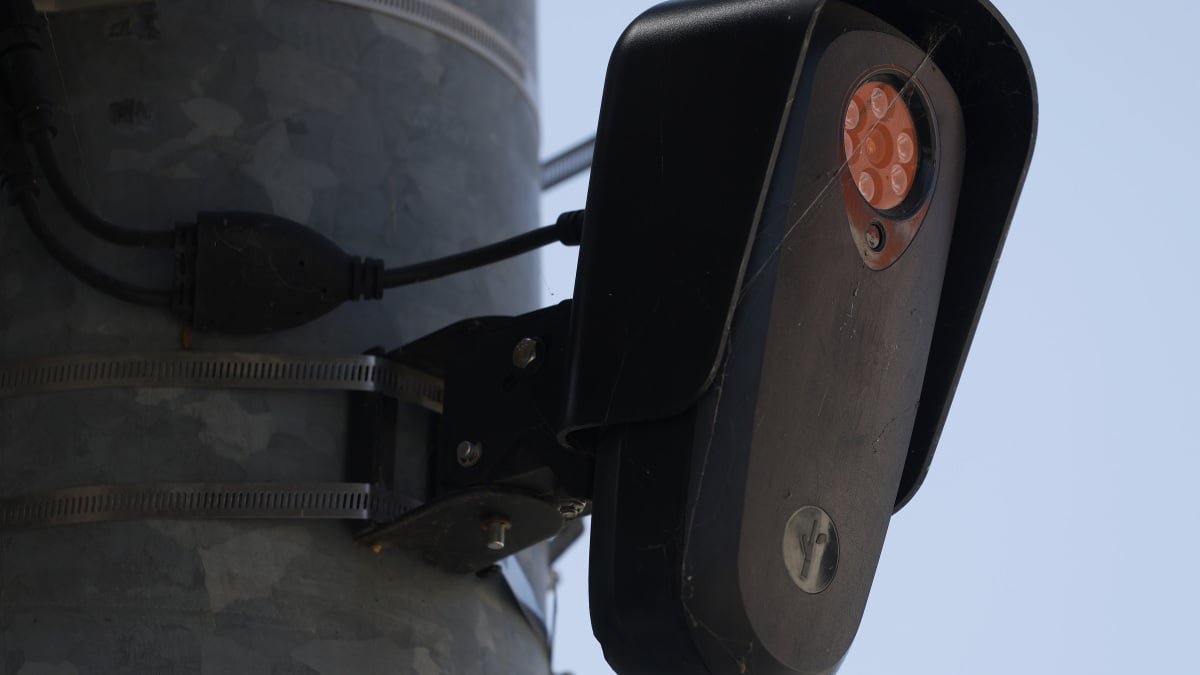
A federal judge has sided with growing public sentiment that Flock cameras pose an unconstitutional surveillance risk, as the nation continues its campaign to get the tech out of its cities.
In a decision issued Oct. 1, federal judge Sara E. Hill ruled that a Tulsa County Deputy Sheriff violated constitutional protections by using a cross-state network of Flock cameras to track a vehicle heading toward the California border.
The case involved a woman named Melisa Kyle, who was arrested by Oklahoma officials for possession of methamphetamine with intent to distribute. Kyle was apprehended by the Deputy, who worked for the Drug Enforcement Administration, while driving through Tulsa. The officer originally stated she was pulled over for suspicious driving, initiating a search that uncovered illegal substances, the Washington Post reported.
It was later revealed that the officer had run her license plate number through the county’s Flock database and used that information as sufficient cause to stop and detain Kyle. Flock provided the officer with Kyle’s recent location data, which showed she had made a recent short trip across the state and back, raising the officer’s suspicion of drug activity.
Hill, former attorney general for the Cherokee Nation, concluded that the officer accessed Flock data without probable cause, amounting to an “unconstitutional warrantless search.” It’s one of the first rulings to allude to Flock as a sophisticated tracking system, with Hill using the phrase “indiscriminate mass surveillance” to describe police activity.
Mashable Light Speed
“Freedom from persistent, dragnet-style surveillance while in public is not a foreign concept in our society, and it is a reasonable expectation that society already accepts,” wrote Hill.
Law enforcement’s use of Flock cameras and its trove of location data has been under scrutiny for years. Officers in departments across the country have been found guilty of using the system to stalk and harass women and surveil private citizens. Others have used Flock’s network to monitor activists, religious groups, and police critics.
Despite these alleged institutional abuses, previous rulings maintained that automatic license plate readers (ALPRs) did not violate the Fourth Amendment. A Flock spokesperson told the press that the company expected the ruling to be “appealed and ultimately overturned,” citing existing precedent.
On Oct.2, Senators Bernie Sanders, Alexandria Ocasio-Cortez, and Jeff Merkley introduced the Ban Flock Act, which includes sweeping restrictions on the use of ALPRs by federal agencies. In a press statement accompanying the news, Sanders argued the company was “eviscerating the very notion of privacy.”
Hajar Hammado, senior policy advisor for civil society group Demand Progress, called the bill a “gold standard” for legislation fighting back against AI-enabled surveillance. “Flock and other ALPR companies have wormed their way into communities across the nation, and drastic, all-encompassing action is needed to root them out.”