
Inde Navarrette Studied Anime To Learn Screenwriting. Shes Onto Something.
Turns out, watching “Jujutsu Kaisen” really can count as homework.
By
Crystal Bell
Crystal Bell
Digital Culture Editor
Crystal Bell is the Digital Culture Editor at Mashable, where she leads coverage of the creator economy, internet culture, and digital life. Her work focuses on the people, platforms, and communities shaping modern entertainment, from YouTube creators and livestreamers to fandoms, social media trends, and the evolving relationship between technology and culture. She also oversees the Mashable 101, the publication’s annual list recognizing the internet’s most influential creators.
Read Full Bio
on October 15, 2026
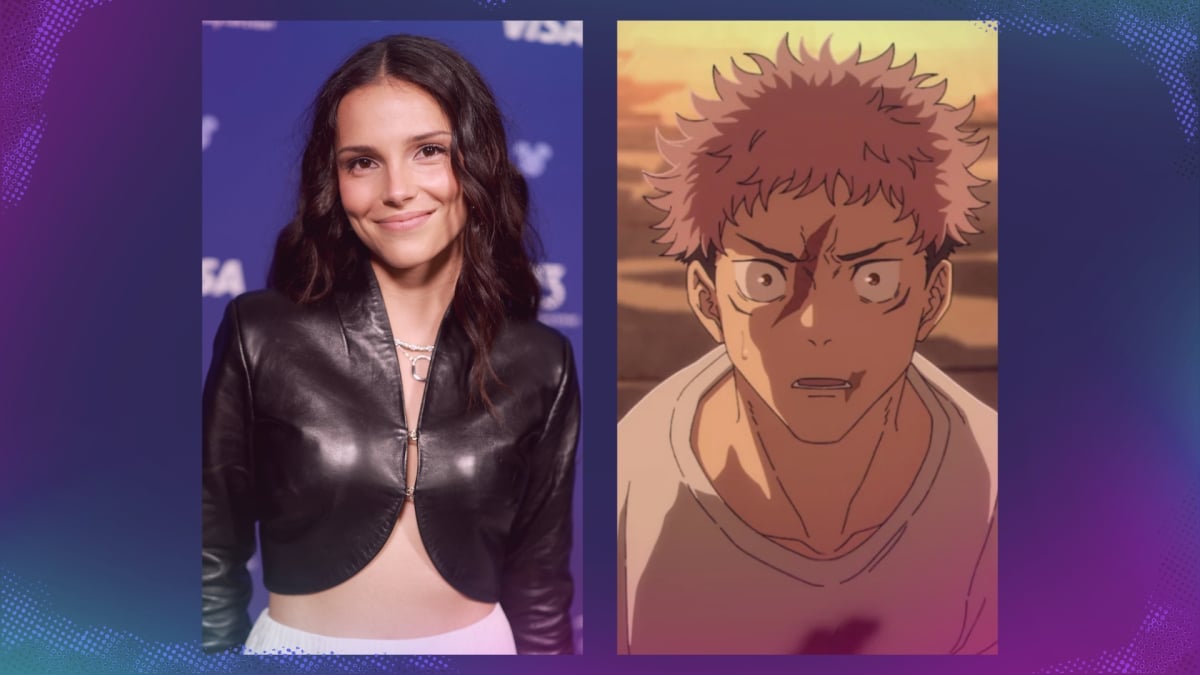
Inde Navarrette says studying anime made her a better storyteller. Credit: Matt Winkelmeyer/Getty Images for Disney; Gege Akutami_Shueisha, JUJUTSU KAISEN Project
Some people go to film school. Others watch Jujutsu Kaisen.
For Obsession star Inde Navarrette, anime became an unlikely screenwriting teacher during a period of uncertainty in her acting career. In a recent interview with The Hollywood Reporter, the actress revealed that she spent the time between filming Obsession and its release studying movies and television, particularly anime, to better understand what makes a good story.
And she wasn’t just watching for entertainment. She was taking notes. “What I like is anime, so like, why do I like that?” Navarrette said, explaining how she began comparing the storytelling techniques of popular anime Jujutsu Kaisen and Demon Slayer.
This Tweet is currently unavailable. It might be loading or has been removed. Her biggest takeaway? The way different anime series approach narrative structure.
“With Jujutsu Kaisen, they play with timelines, right? With Demon Slayer, they don’t; it’s very linear,” she explained. “And what does that mean, and how does that affect storytelling?”
Navarrette became particularly interested in how Jujutsu Kaisen uses nonlinear storytelling to reveal information, sometimes planting seemingly insignificant details that don’t pay off until several episodes later. The anime’s second season, for example, opens with a five-episode flashback arc exploring the complicated history between Satoru Gojo and Suguru Geto, giving new emotional weight to a relationship viewers were already familiar with.
Navarrette began applying those kinds of observations to her own screenwriting. (Inde, may I also recommend Fullmetal Alchemist: Brotherhood?)
Mashable Top Stories
It’s a pretty good reminder that anime has plenty to teach us about storytelling beyond spectacular fight sequences and dramatic power-ups. And Navarrete isn’t the only Hollywood star looking to anime for creative inspiration.
In a 2025 Vanity Fair video, Michael B. Jordan introduced fellow actors Austin Butler and Paul Mescal to My Hero Academia, using a pivotal scene from the series to explain his appreciation for anime’s emotional storytelling. Jordan, a longtime anime fan, also revealed how he studied anime fight sequences while directing Creed III, looking for ways to translate the medium’s heightened action and emotion into live action.
The actor and filmmaker drew inspiration from Naruto, Dragon Ball Z, and Hajime no Ippo for his directorial debut, incorporating anime’s visual language and emotional storytelling into the film’s boxing sequences. In particular, Jordan looked to the complicated relationship between Naruto and Sasuke when developing the climactic confrontation between Adonis Creed and Damian Anderson. The influence extended beyond choreography to the way the film visualized its characters’ internal conflicts.
It’s a familiar kind of enthusiasm to anyone who’s spent time watching anime breakdowns on YouTube, where fans can spend hours analyzing a single fight scene, character arc, or narrative choice. But what’s interesting is how that same curiosity is finding its way into Hollywood’s creative process. What starts as fandom can become a way of understanding how stories are made.
For Navarrette, anime offered lessons in screenwriting. For Jordan, it became a visual reference for directing. The appeal isn’t just what happens onscreen, but how a series structures its narrative to make those moments resonate.
There’s something refreshing about seeing Hollywood stars talk about anime as more than a guilty pleasure. For decades, anime fans have used the internet to find community, share their enthusiasm, and make the case for why their favorite stories matter. Now, actors like Navarrette and Jordan are having similar conversations in mainstream entertainment spaces, openly discussing how anime has shaped their understanding of storytelling.
And Hollywood seems increasingly interested in taking notes. Just last week, Tom Cruise and director Alejandro G. Iñárritu visited an exhibition in Tokyo celebrating the 15th anniversary of MAPPA, the Japanese animation studio behind Jujutsu Kaisen, Chainsaw Man, and Attack on Titan: The Final Season. In the video uploaded to MAPPA’s YouTube channel, it looks like Cruise took a particular interest in the original Jujutsu Kaisen animation drawings, even asking about the studio’s use of traditional hand-drawn animation.
This Tweet is currently unavailable. It might be loading or has been removed. Between Navarrette studying its scripts, Jordan borrowing from its visual language, and Cruise examining its animation, anime is getting some serious attention from Hollywood.
Anime has long been a source of inspiration for filmmakers, but as more actors and directors openly discuss its influence on their work, it’s clear that the medium isn’t just shaping what Hollywood looks like — it’s shaping how Hollywood tells stories. And really, isn’t that the magic of anime? Recommended deals for you
HBO Max — top pick for premium content
Disney+ — best for families
Hulu — popular choice for originals
Peacock — low-cost choice for live sport
Products available for purchase through affiliate links. If you buy something through links on our site, Mashable may earn an affiliate commission.
Crystal Bell is the Digital Culture Editor at Mashable, where she leads coverage of the creator economy, internet culture, and digital life. Her work focuses on the people, platforms, and communities shaping modern entertainment, from YouTube creators and livestreamers to fandoms, social media trends, and the evolving relationship between technology and culture. She also oversees the Mashable 101, the publication’s annual list recognizing the internet’s most influential creators.
Previously, she was the entertainment director at MTV News, where she helped expand the brand’s coverage of fan culture, K-pop, and the internet’s most passionate communities. Her work has appeared in Teen Vogue, Rolling Stone, PAPER, NYLON, ELLE, Glamour, NME, W, The FADER, and elsewhere on the internet.
She’s exceptionally fluent in fandom and will gladly make you a K-pop playlist and/or provide anime recommendations upon request. Crystal lives in New York City with her two black cats, Howl and Sophie.